dermatologyreview LP2.7
Ingrown hairs and razor bumps: market review
Which out of all the ingrown-hair treatments have the formula to clear bumps without drying the skin? The modeller audited products against 28 peer-reviewed clinical papers.
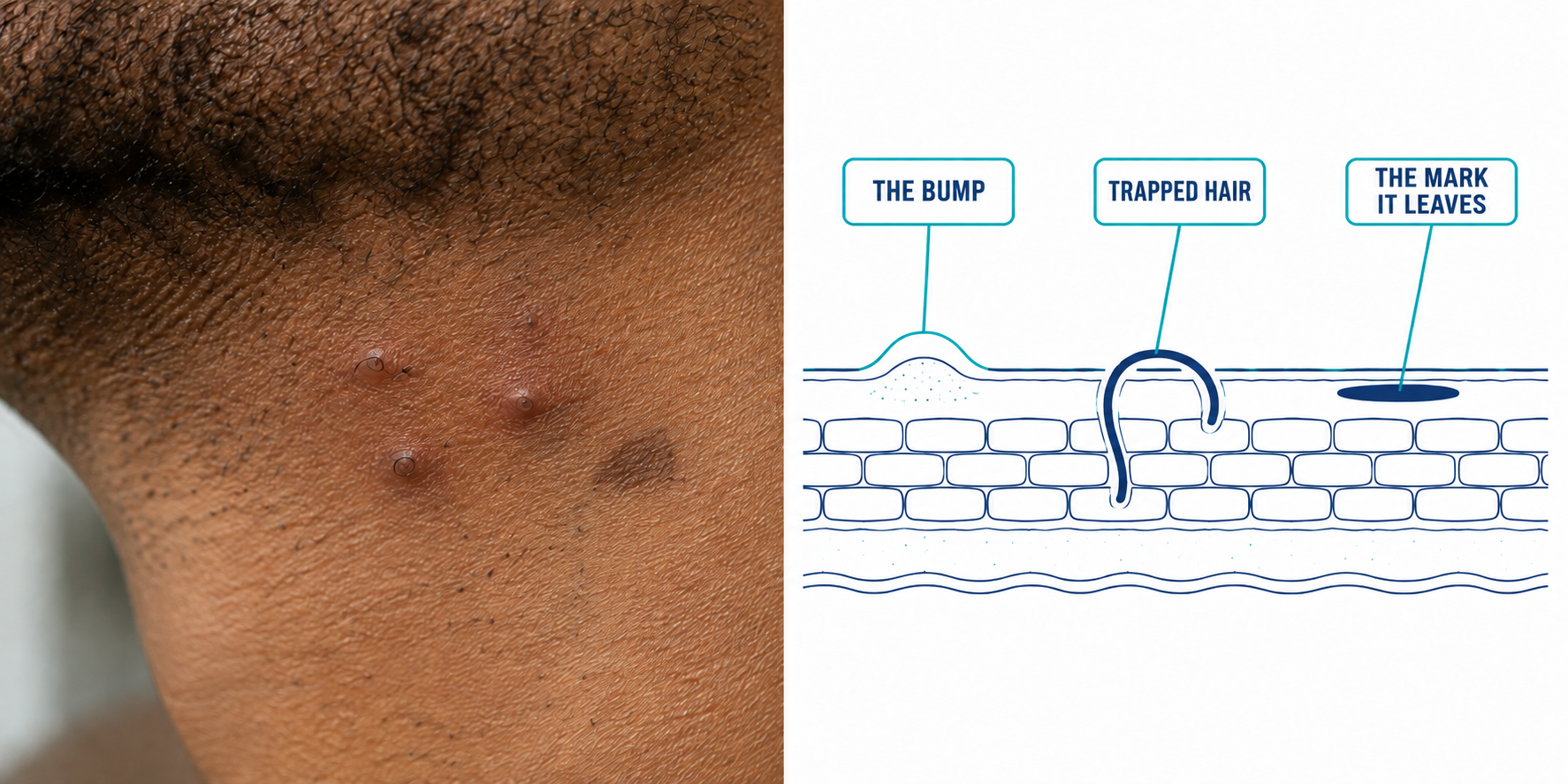
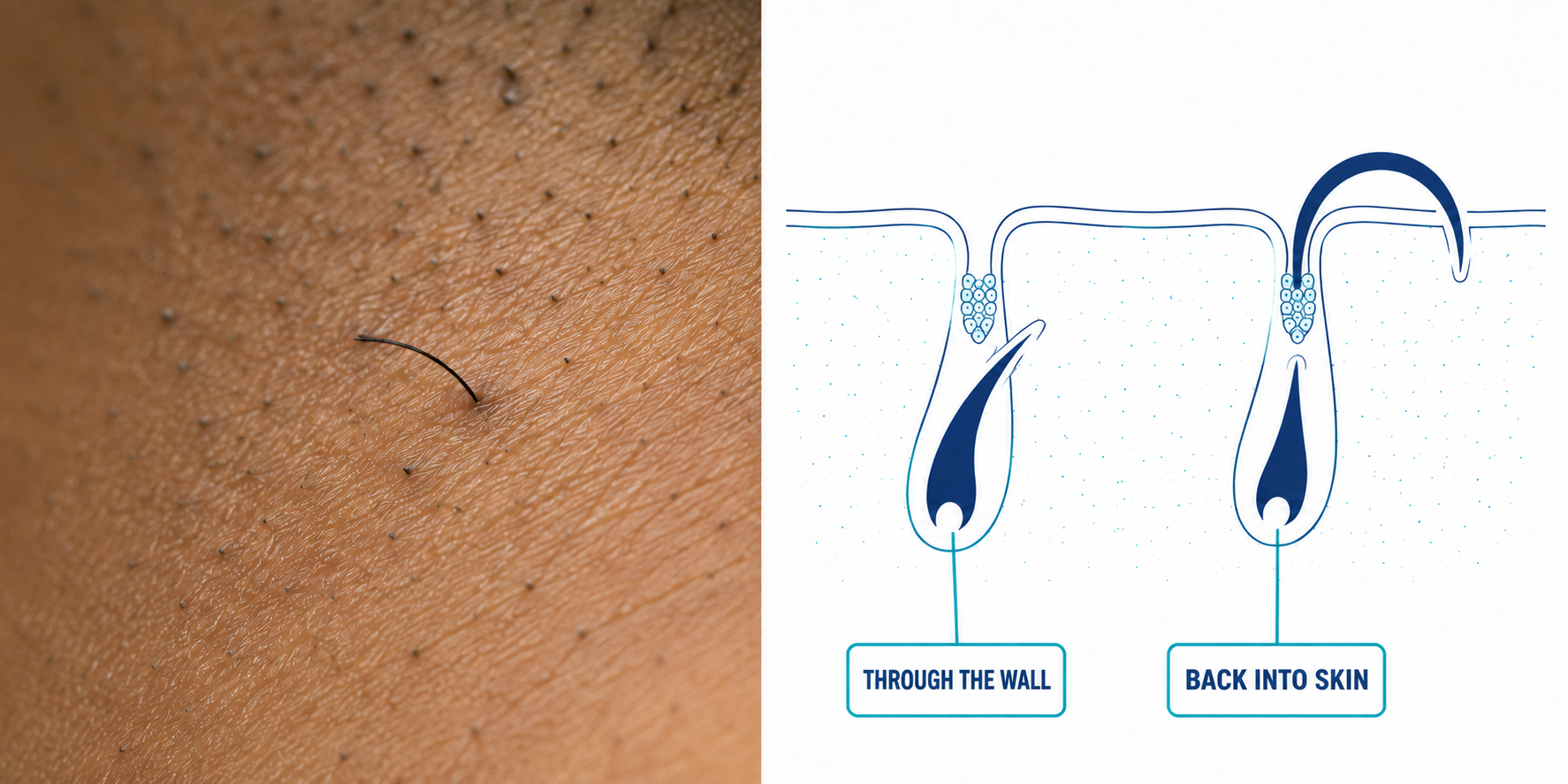
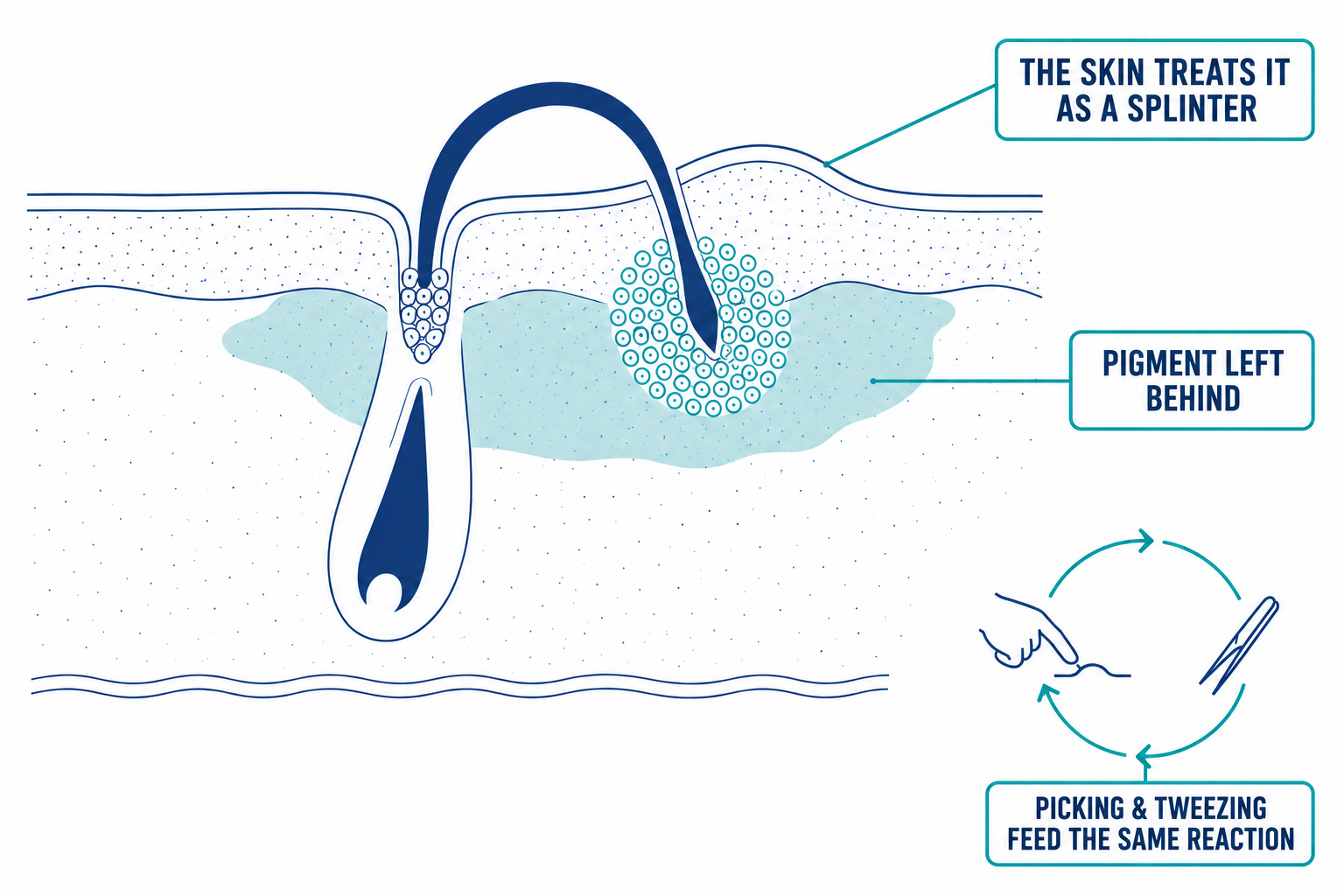
“The bump is not the hair. It is your skin reacting to a hair it has decided is a splinter. Nothing that stings, dries or scrapes makes that reaction smaller.” - Cosmetic scientist model
Independently reviewed by the cosmetic scientist LLM · No connection to, and no payment from, any manufacturer or brand owner · Evidence audit of 74 products · 28 peer-reviewed papers
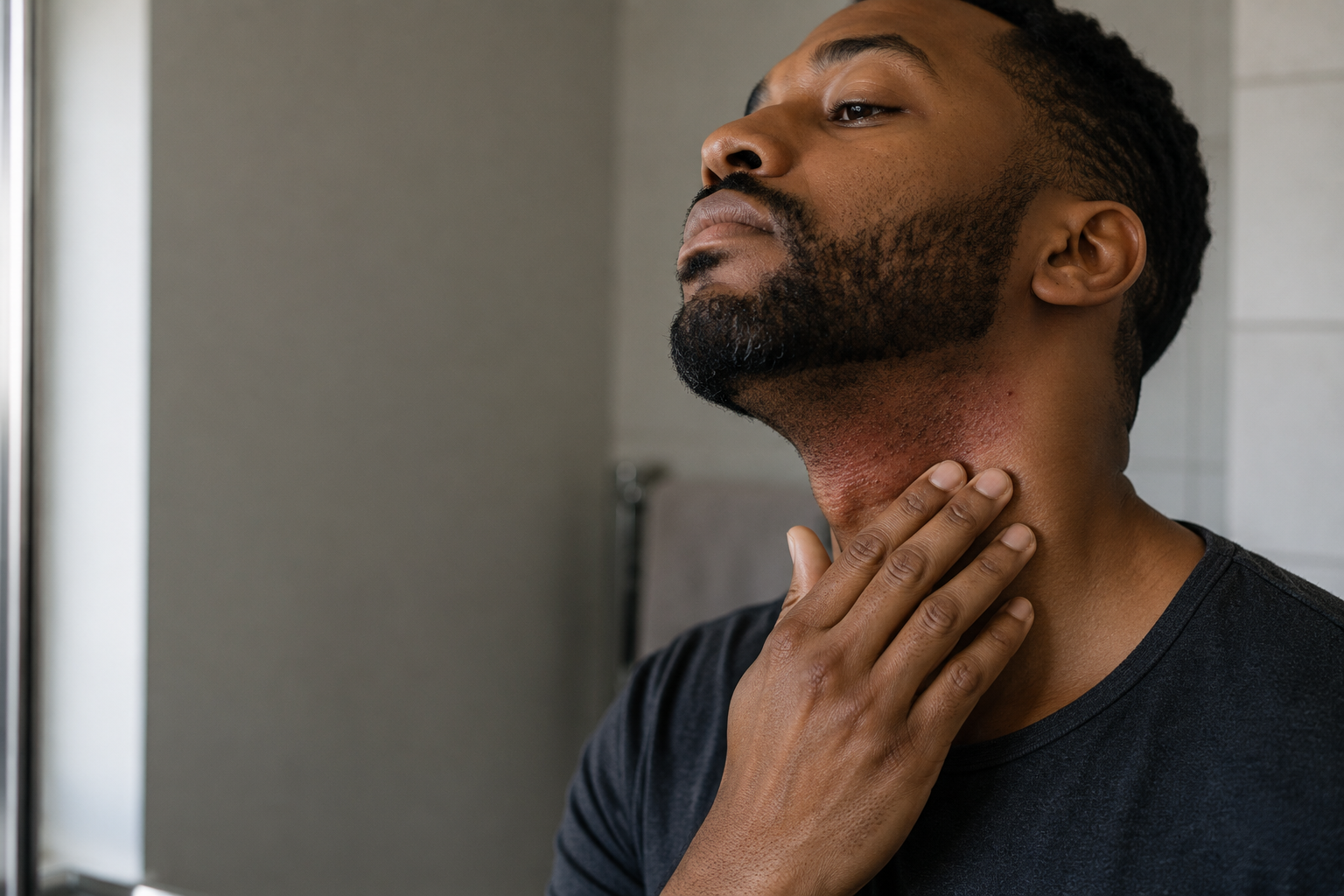
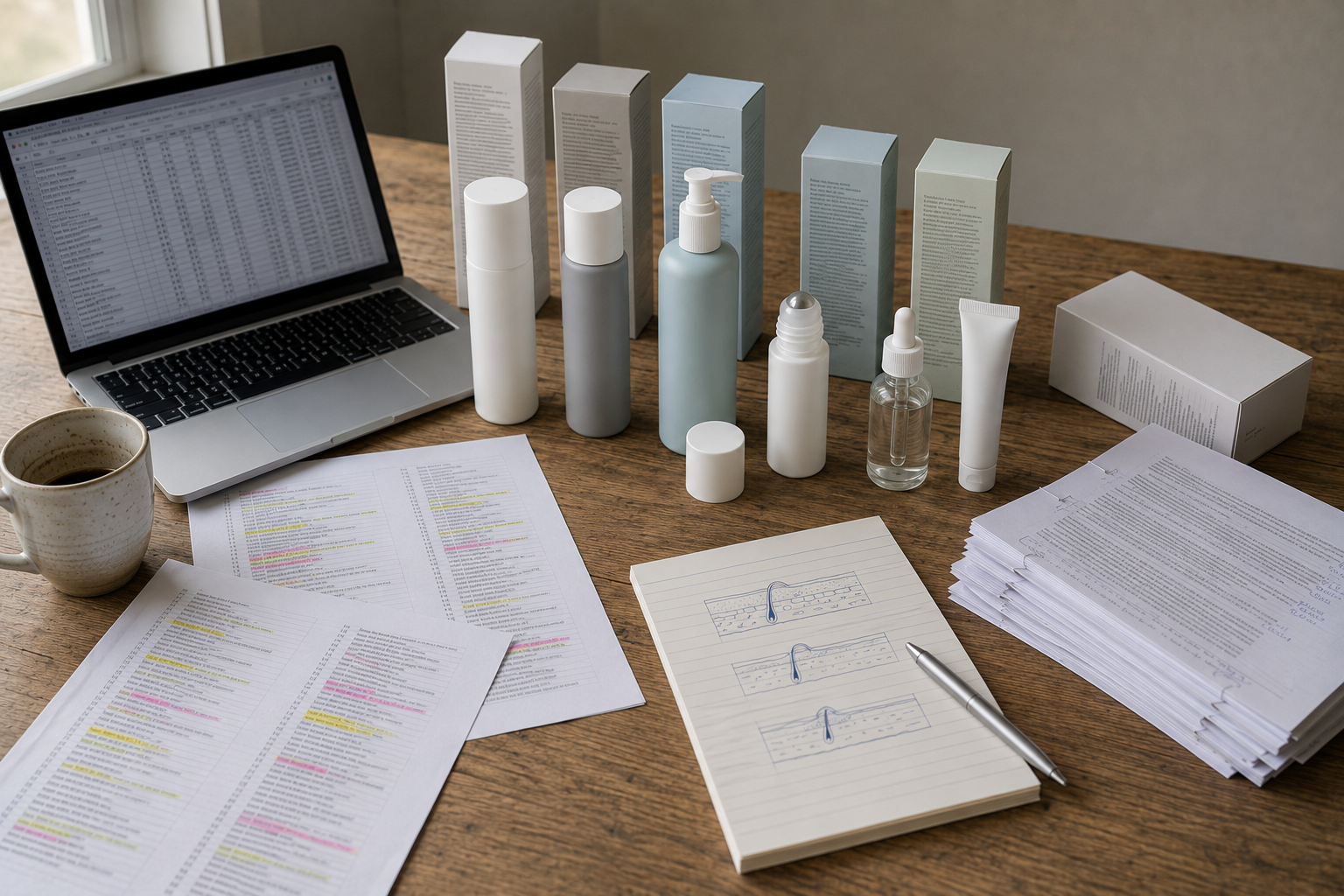
The hidden-layer model
Independence statement
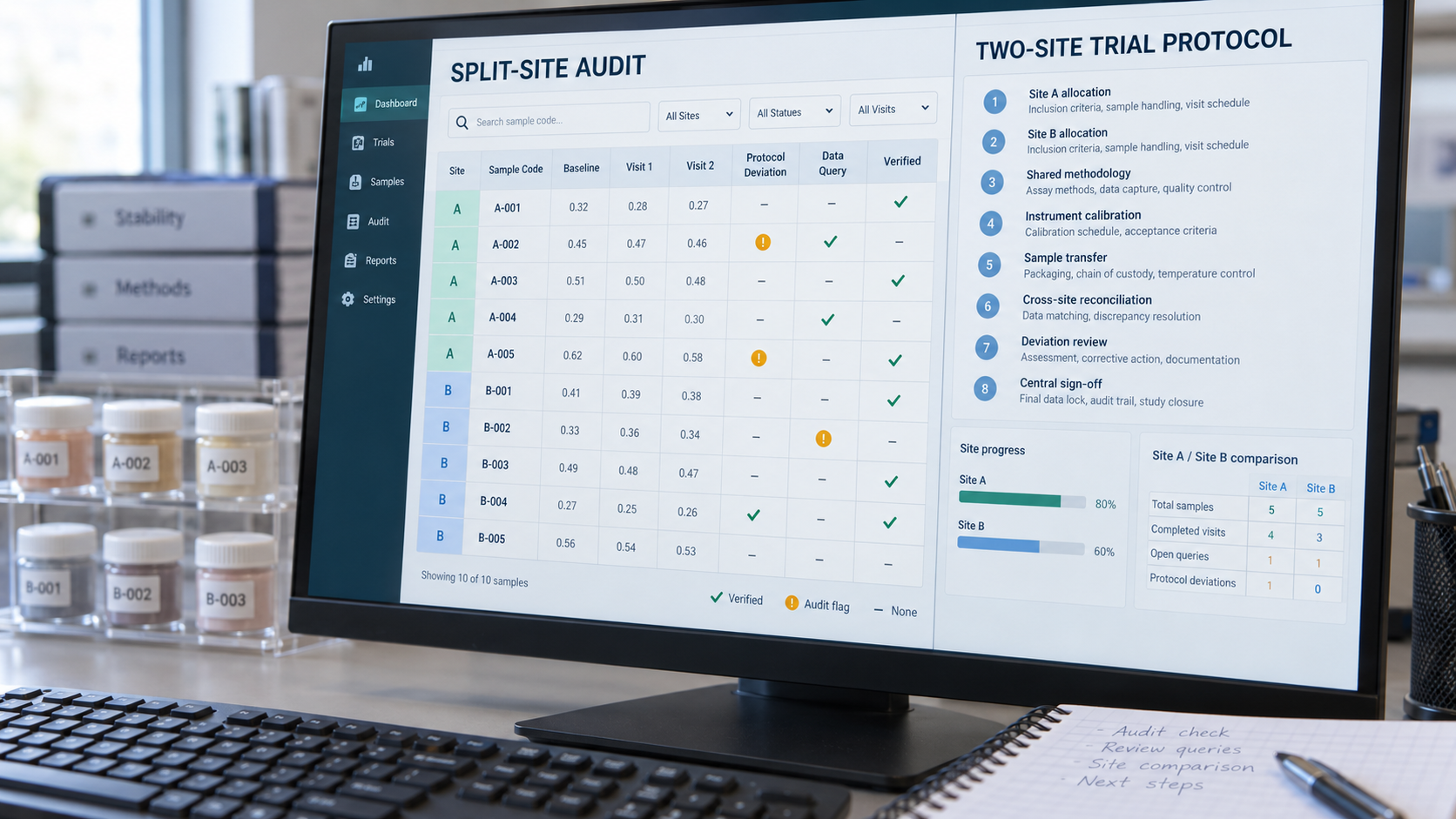
Test protocol
The key findings
The active ingredients
| Ingredient class | Declared dose / list position | Layer | What the evidence supports | Refs |
|---|---|---|---|---|
| Acetylsalicylic acid (aspirin) | Undeclared in all three; the Tend Skin patent describes about 15% as the effective level | Two and three | Anti-inflammatory and mild keratolytic; hydrolyses in part to salicylic acid on the skin; the mechanism this segment of the category is built on | 11, 19, 20 |
| Salicylic acid | Undeclared; undeclared; 0.05% | Two | Oil-soluble keratolytic that follows sebum into the follicle mouth; the right molecule for a plugged follicle, at doses these products do not declare | 11, 21 |
| Glycolic acid | Undeclared except PFB Vanish | Two | Loosens the bonds between corneocytes around the follicle opening; reduces lesions and pigmentation in shaving-related bumps in published work | 12, 13, 22 |
| Lactic and phytic acid | Undeclared / 0.10% | Two; one (marks) | Mild keratolysis; phytic acid chelates and has supporting evidence on pigmentation | 13, 23 |
| Isopropyl alcohol and SD alcohol | Undeclared | One (flag) | Antiseptic and fast-drying; disrupts the barrier and raises water loss with repeated use, more so than ethanol | 17, 18 |
| Colloidal oat, chamomile and allantoin | Undeclared | Three | Anti-inflammatory and anti-itch activity at cosmetic doses; oat reduced irritation and itch in controlled work | 24, 25 |
| Willowherb (Epilobium angustifolium) | Undeclared | Three | Anti-inflammatory extract used across post-shave products; evidence is largely in vitro and supplier-generated | 26 |
| Stearyl glycyrrhetinate and panthenol | Undeclared | Three | Liquorice-derived anti-inflammatory and a barrier-supporting provitamin; the calming pair behind the acids in that formula | 24, 27 |
| Botanical oils (coconut, jojoba, grapeseed, castor, tamanu, borage, evening primrose) with tea tree, lavender and clary sage | Undeclared | One and three | Emollients that soften the surface and may ease a looping hair out; tea tree has anti-inflammatory and antimicrobial evidence; no keratolytic action and no trial in ingrown hairs | 28 |
| Fragrance, essential oils and listed allergens | Present | Flag | Fragrance is the commonest cause of contact allergy to a body product; freshly shaved skin is a compromised barrier | 29, 30 |
Final Notes
Reference appendix
References — we go further than most cosmetic reviews and give you the published research the lab study model used on the ingredient combinations, and the published studies behind the top-ranked combination, so you can do your own research.
| No. | Reference | Supports |
|---|---|---|
| 1 | Alexander AM, Delph WI. Pseudofolliculitis barbae in the military: a medical, administrative and social problem. J Natl Med Assoc 1974; 66(6): 459–464. | |
| 2 | Perry PK, Cook-Bolden FE, Rahman Z, Jones E, Taylor SC. Defining pseudofolliculitis barbae in 2001: a review of the literature and current trends. J Am Acad Dermatol 2002; 46(2 Suppl): S113–S119. | |
| 3 | Ribera M, Fernández-Chico N, Casals M. Pseudofolliculitis barbae. Actas Dermosifiliogr 2010; 101(9): 749–757. | |
| 4 | Kundu RV, Patterson S. Dermatologic conditions in skin of color: part II. Disorders occurring predominantly in skin of color. Am Fam Physician 2013; 87(12): 859–865. | |
| 5 | Ogunbiyi A. Pseudofolliculitis barbae: current treatment options. Clin Cosmet Investig Dermatol 2019; 12: 241–247. | |
| 6 | Nussbaum D, Friedman A. Pseudofolliculitis barbae: a review of current treatment options. J Drugs Dermatol 2019; 18(3): 246–250. | |
| 7 | Cowley K, Vanoosthuyze K. Insights into shaving and its impact on skin. Br J Dermatol 2012; 166(Suppl 1): 6–12. | |
| 8 | Daniel A, Gustafson CJ, Zupkosky PJ, et al. Shave frequency and regimen variation effects on the management of pseudofolliculitis barbae. J Drugs Dermatol 2013; 12(4): 410–418. | |
| 9 | Davis EC, Callender VD. Postinflammatory hyperpigmentation: a review of the epidemiology, clinical features, and treatment options in skin of color. J Clin Aesthet Dermatol 2010; 3(7): 20–31. | |
| 10 | Gray J, McMichael AJ. Pseudofolliculitis barbae: understanding the condition and the role of facial grooming. Int J Cosmet Sci 2016; 38(Suppl 1): 24–27. | |
| 11 | Arif T. Salicylic acid as a peeling agent: a comprehensive review. Clin Cosmet Investig Dermatol 2015; 8: 455–461. | |
| 12 | Van Scott EJ, Yu RJ. Hyperkeratinization, corneocyte cohesion, and alpha hydroxy acids. J Am Acad Dermatol 1984; 11(5 Pt 1): 867–879. | |
| 13 | Smith WP. Epidermal and dermal effects of topical lactic acid. J Am Acad Dermatol 1996; 35(3 Pt 1): 388–391. | |
| 14 | Bridgeman-Shah S. The medical and surgical therapy of pseudofolliculitis barbae. Dermatol Ther 2004; 17(2): 158–163. | |
| 15 | Callender VD, Baldwin H, Cook-Bolden FE, Alexis AF, Stein Gold L, Guenin E. Effects of topical retinoids on acne and post-inflammatory hyperpigmentation in patients with skin of color: a clinical review and implications for practice. Am J Clin Dermatol 2022; 23(1): 69–81. | |
| 16 | Kindred C, Oresajo CO, Yatskayer M, Halder RM. Comparative evaluation of men’s depilatory composition versus razor in black men. Cutis 2011; 88(2): 98–103. | |
| 17 | Löffler H, Kampf G, Schmermund D, Maibach HI. How irritant is alcohol? Br J Dermatol 2007; 157(1): 74–81. | |
| 18 | Pedersen LK, Held E, Johansen JD, Agner T. Less skin irritation from alcohol-based disinfectant than from detergent used for hand disinfection. Br J Dermatol 2005; 153(6): 1142–1146. | |
| 19 | Vane JR, Botting RM. The mechanism of action of aspirin. Thromb Res 2003; 110(5–6): 255–258. | |
| 20 | Higuchi T, Lachman L. Inhibition of hydrolysis of aspirin in solution. J Am Pharm Assoc 1955; 44(9): 521–526. | |
| 21 | Zander E, Weisman S. Treatment of acne vulgaris with salicylic acid pads. Clin Ther 1992; 14(2): 247–253. | |
| 22 | Perricone NV. Treatment of pseudofolliculitis barbae with topical glycolic acid: a report of two studies. Cutis 1993; 52(4): 232–235. | |
| 23 | Kumari R, Thappa DM. Comparative study of trichloroacetic acid versus glycolic acid chemical peels in the treatment of melasma. Indian J Dermatol Venereol Leprol 2010; 76(4): 447. | |
| 24 | Reynertson KA, Garay M, Nebus J, et al. Anti-inflammatory activities of colloidal oatmeal (Avena sativa) contribute to the effectiveness of oats in treatment of itch associated with dry, irritated skin. J Drugs Dermatol 2015; 14(1): 43–48. | |
| 25 | Kurtz ES, Wallo W. Colloidal oatmeal: history, chemistry and clinical properties. J Drugs Dermatol 2007; 6(2): 167–170. | |
| 26 | Ruszová E, Cheel J, Pávek S, et al. Epilobium angustifolium extract demonstrates multiple effects on dermal fibroblasts in vitro and skin photo-protection in vivo. Gen Physiol Biophys 2013; 32(3): 347–359. | |
| 27 | Proksch E, de Bony R, Trapp S, Boudon S. Topical use of dexpanthenol: a 70th anniversary article. J Dermatolog Treat 2017; 28(8): 766–773. | |
| 28 | Pazyar N, Yaghoobi R, Bagherani N, Kazerouni A. A review of applications of tea tree oil in dermatology. Int J Dermatol 2013; 52(7): 784–790. | |
| 29 | de Groot AC. Fragrances: contact allergy and other adverse effects. Dermatitis 2020; 31(1): 13–35. | |
| 30 | Regulation (EC) No 1223/2009 on cosmetic products, Annex III (declarable fragrance allergens; salicylic acid restrictions), as retained in Great Britain under the UK Cosmetics Regulation. | |
| 31 | Xia Y, Cho S, Howard RS, Maggio KL. Topical eflornithine hydrochloride improves the effectiveness of standard laser hair removal for treating pseudofolliculitis barbae: a randomized, double-blinded, placebo-controlled trial. J Am Acad Dermatol 2012; 67(4): 694–699. |
© 2026 Dermatology Review · SN: DR-2026-001